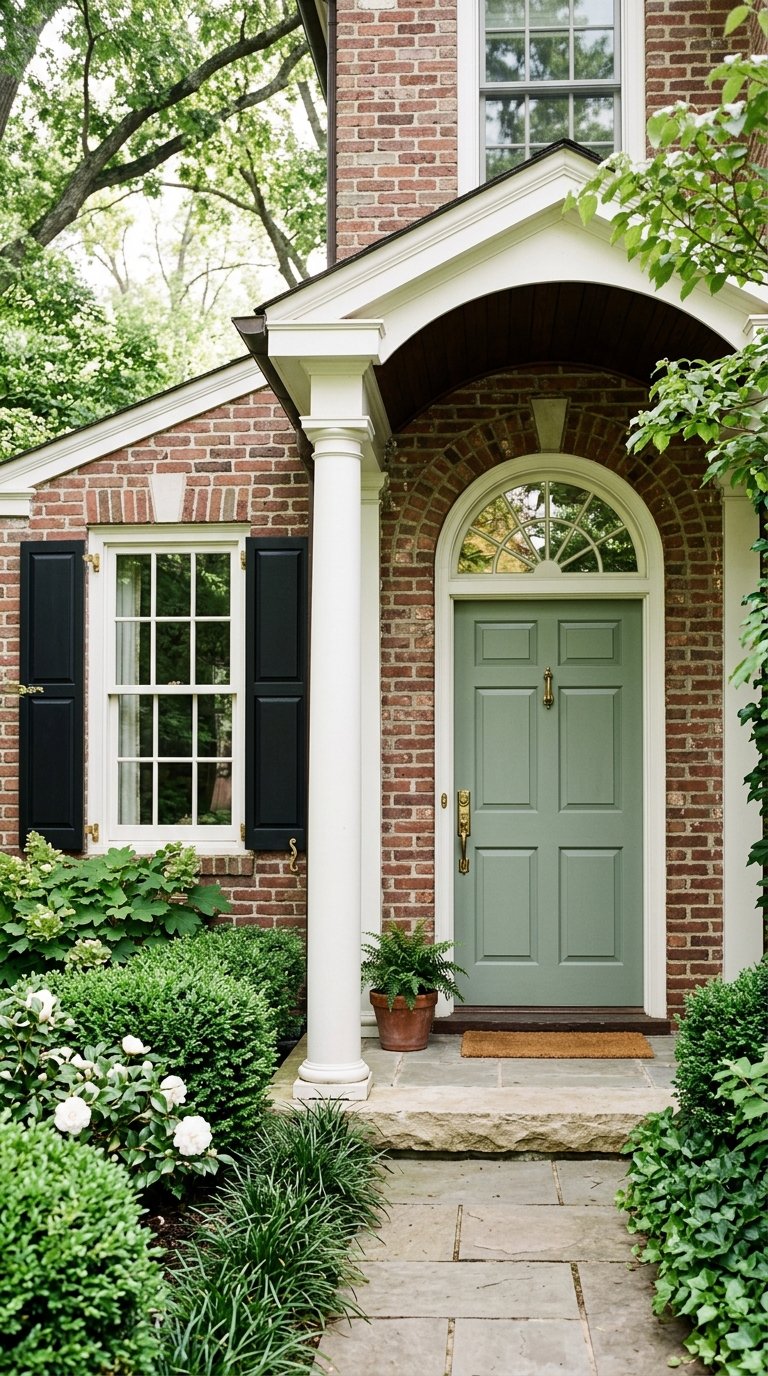
If you own a historic home in Ansley Park, pricing it can feel tricky fast. You are not just selling square footage and finishes. You are also selling architecture, setting, and a piece of Atlanta history. The good news is that a smart pricing strategy can help you protect value without pricing yourself out of a serious buyer pool. Let’s dive in.
Why pricing Ansley Park is different
Ansley Park is not a cookie-cutter neighborhood, and that matters when it is time to set a list price. Established in 1904, it is known for its early planned design, curving streets, mature landscape, and wide mix of architectural styles within a historic setting. That variety gives the neighborhood character, but it also makes pricing more nuanced.
Current market data shows both strength and negotiation room. In April 2026, the median listing price in Ansley Park was $1,649,950, while the median sold price was $1,627,000, with homes averaging $499 per square foot. Median days on market stood at 37, and homes sold about 4.09% below asking on average in March 2026.
That tells you something important. Ansley Park remains a premium market, but buyers are still negotiating. If you price too aggressively, you may lose momentum instead of creating it.
Start with a tighter comp set
In a neighborhood with limited inventory, broad pricing shortcuts can backfire. Ansley Park had just 14 active listings and 16 homes sold in March 2026, so even a few outliers can distort your pricing picture.
That is why the best comp strategy is usually a tight comp set, not the widest possible one. Instead of pulling every nearby sale, focus on homes that are most similar in architecture, scale, lot pattern, and streetscape setting.
Match architecture, not just distance
Ansley Park includes a broad mix of styles, including Craftsman, Tudor, Queen Anne, Italianate, Prairie School, Modern, and revival styles. A Tudor with strong original detailing may not compete the same way as a modernized home on a different street, even if the square footage looks close on paper.
For historic homes, buyers often react to the overall feel of the property before they react to price per square foot. Original massing, porch proportions, facade rhythm, and how the home fits the block can all shape perceived value.
Pay attention to lot and block context
The neighborhood’s original planning still influences value today. Ansley Park was designed with a curving street plan, park spaces, tree canopy, and homes set within a strong landscape framework.
That means the block itself can affect pricing. A home with a strong streetscape presence, mature landscaping, and a setting that feels true to the neighborhood may justify a stronger number than a similar house with less visual appeal from the street.
Historic value is not automatic
One of the biggest pricing mistakes sellers make is assuming that the word “historic” always commands a premium. In reality, buyers tend to pay more when a home preserves its architectural identity and feels functional and well cared for.
That means the premium is usually strongest when the home has:
- Intact exterior proportions
- Compatible additions
- Strong curb appeal
- Visible upkeep
- Design choices that respect the home’s original character
On the other hand, pricing gets more fragile when buyers notice deferred maintenance or changes that feel out of step with the house. If visible repairs have been put off, or if previous updates clash with the home’s style, buyers may push harder in negotiations.
Condition should shape your price
In Ansley Park, condition can move value more than sellers expect. Even in a high-end pocket, the market is not giving every listing a blank check. With homes selling below asking on average, buyers are still weighing presentation and repair needs carefully.
Before setting your price, it helps to step back and ask a few honest questions:
- Does the home feel move-in ready?
- Are there obvious exterior repairs buyers will notice right away?
- Do the interiors support the architectural story of the house?
- Have additions or updates been done in a way that feels cohesive?
If the answer to several of those questions is no, a premium price may be harder to defend. A realistic strategy often creates more leverage than a high aspirational list price followed by price cuts.
Pre-list prep can protect value
Smart pricing does not start on listing day. It starts before the home hits the market.
For historic homes, the strongest preparation strategy is usually restraint plus precision. Instead of over-renovating or trying to erase the home’s age, focus on cleaning thoroughly, decluttering heavily, fixing obvious defects, and highlighting original details.
Stage the rooms that matter most
According to the 2025 Profile of Home Staging, 29% of agents said staging increased the dollar value offered by 1% to 10%, and 49% said staging reduced time on market. The same report found that the living room, primary bedroom, and kitchen were the most important rooms to stage.
For an Ansley Park historic home, staging should help buyers see both function and character. You want rooms to feel polished and inviting without masking the architectural features that make the home special.
Focus on presentation before photos
Buyers often form their first impression online, and presentation matters even more when a home’s appeal is emotional as well as practical. Clean rooms, strong lighting, tidy landscaping, and uncluttered surfaces can help your listing photography and virtual marketing work harder.
That matters because buyers are often purchasing more than a floor plan in Ansley Park. They are responding to the atmosphere, setting, and architectural identity of the home.
Price with today’s negotiation environment in mind
Spring can bring stronger activity across metro Atlanta. In March 2026, single-family sales in the Atlanta market rose 29.2% from February, and new listings increased 24.8% from the prior month. Active inventory reached 17,723 listings, with 4.0 months of supply.
That backdrop can help with exposure, but it should not be used as a shortcut for pricing in Ansley Park. The neighborhood has its own dynamics, and current data still points to a realistic negotiation cushion rather than automatic bidding pressure.
Use neighborhood data first
Metro Atlanta’s median sales price was $418,000 in March 2026, while Ansley Park’s median sold price was $1.627 million. That gap is exactly why neighborhood-specific pricing matters.
A smart strategy starts with Ansley Park comps, then uses broader Atlanta trends only as supporting context for timing and buyer activity. If you lean too heavily on citywide momentum, you risk overpricing a home in a neighborhood where buyers are still selective.
Verify historic rules before pricing improvements
There is another detail many sellers miss. Ansley Park’s historic significance does not automatically mean every property is under the same local historic review rules.
A City-hosted 2025 neighborhood conservation study noted that residents voted twice, most recently in 2023, on whether to pursue local historic designation under Atlanta’s municipal code, and the effort did not pass. That means you should not assume the whole neighborhood follows one blanket set of local historic district rules.
Check parcel-specific status
If you are planning exterior repairs, porch work, window changes, additions, or other visible updates before listing, verify your property’s status first. The City of Atlanta directs owners to use its GIS tools to determine whether a property is in a Historic or Landmark District and notes that a Certificate of Appropriateness may be required depending on the work.
This matters for pricing because sellers sometimes build value assumptions around planned improvements. If approvals are needed, your timeline, scope, and return on investment may look different than expected.
A practical pricing strategy for sellers
If you want the strongest result, pricing should be tied to three things working together: comps, condition, and presentation. In Ansley Park, that usually means resisting the urge to test the market with an inflated number just because inventory is limited.
A practical approach often looks like this:
- Build a narrow comp set based on architecture, scale, lot context, and streetscape fit.
- Adjust honestly for condition, deferred maintenance, and the quality of past updates.
- Complete focused pre-list prep, especially cleaning, decluttering, curb appeal, and key-room staging.
- Review likely buyer negotiation behavior based on recent sale-to-list trends.
- Confirm any parcel-specific historic review considerations before promising value from exterior changes.
This kind of strategy is calm, defensible, and more likely to protect your leverage once the home goes live.
The bottom line for Ansley Park sellers
The smartest pricing strategy for an Ansley Park historic home is rarely the highest possible number. It is the price that reflects the home’s architecture, condition, setting, and buyer expectations in today’s market.
Historic character can absolutely support a premium, but only when the details behind that premium hold up. When your comp set is tight, your preparation is thoughtful, and your list price matches current negotiation patterns, you give yourself a stronger chance at serious interest and a cleaner path to contract.
If you are thinking about selling in Ansley Park and want a calm, data-driven pricing plan with high-touch marketing support, Lauren Bowling can help you build a strategy that fits your home and your timing.
FAQs
How should you price a historic home in Ansley Park?
- Start with very specific neighborhood comps and adjust for architecture, condition, lot context, and presentation rather than relying on square footage alone.
Does historic status automatically raise home value in Ansley Park?
- No. Historic character can support a premium, but buyers still weigh maintenance, layout, updates, and how well the home preserves its architectural identity.
Are Ansley Park homes still selling below asking price?
- Recent neighborhood data showed homes selling about 4.09% below asking on average in March 2026, which suggests sellers should leave room for realistic negotiation.
What rooms should sellers stage before listing an Ansley Park home?
- Current staging research points to the living room, primary bedroom, and kitchen as the most important rooms to stage.
Do all Ansley Park properties follow the same historic review rules?
- No. Sellers should verify parcel-specific status with the City of Atlanta before assuming local historic review rules apply to exterior work or pricing plans.
