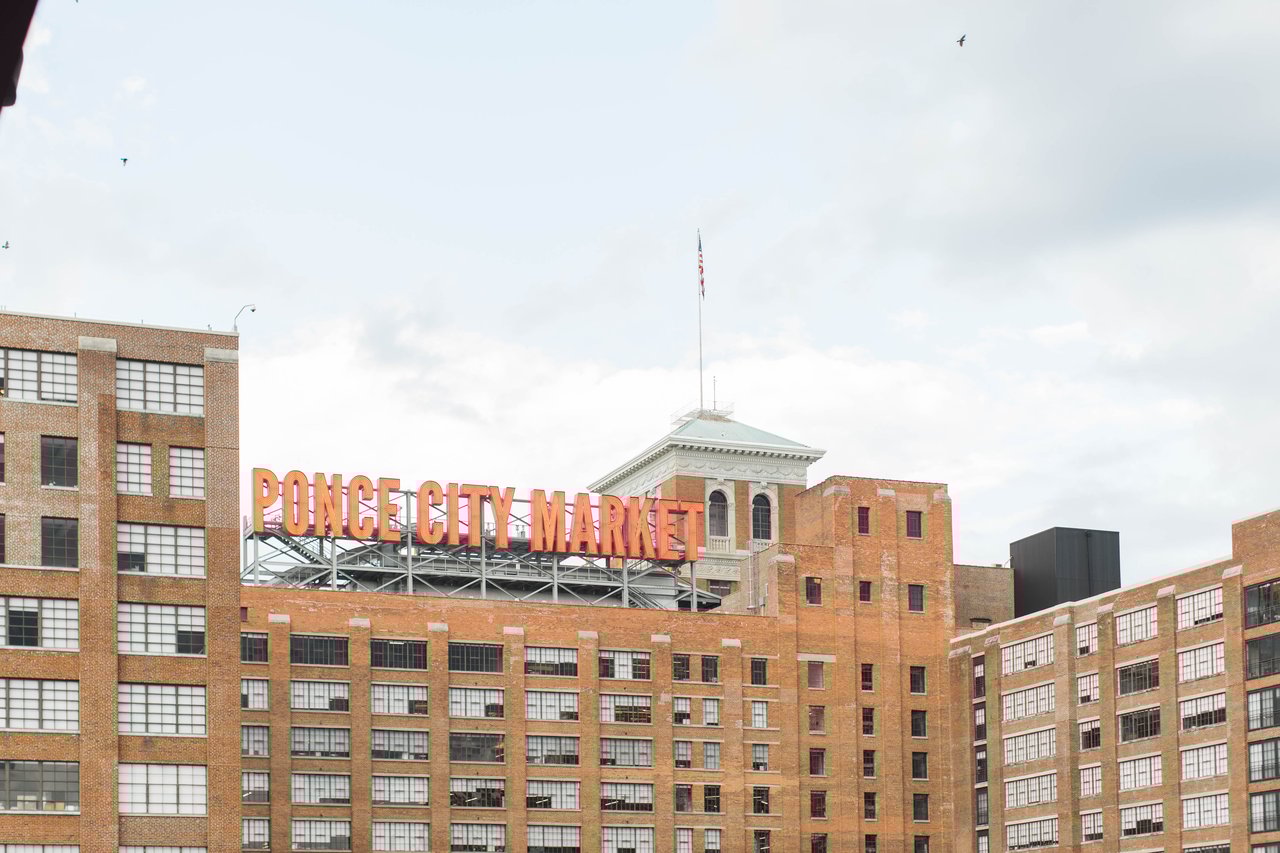
Wondering whether a loft or a bungalow makes more sense in Poncey-Highland? If you are trying to buy intown and want the right mix of convenience, character, and long-term value, this is one of the most important choices you will make. The good news is that Poncey-Highland gives you both options in a compact, connected neighborhood with a very distinct housing mix. Let’s break down how each property type works so you can choose with more clarity.
Why this comparison matters in Poncey-Highland
Poncey-Highland is a small intown Atlanta neighborhood in 30306, about two miles northeast of downtown. The neighborhood association describes it as roughly 241 acres, and its modern edges generally include Ponce de Leon Avenue, Moreland Avenue, Freedom Parkway, and the BeltLine Eastside Trail.
That small footprint matters because the housing stock is not random. According to the neighborhood master plan, the historic core developed with single-family houses, duplexes, and small apartment buildings, while larger corridors took on more multifamily and commercial uses. In real life, that means lofts and bungalows often offer very different day-to-day living experiences even when they are only a few blocks apart.
Lofts and bungalows serve different priorities
In Poncey-Highland, lofts are usually tied to adaptive reuse or shared-building living. The neighborhood history and planning materials reference well-known converted or multifamily properties such as Highland School Lofts, Telephone Factory Lofts, and Ford Factory Lofts.
Bungalows sit in the detached-house side of the neighborhood fabric. They are part of the preserved residential core that gives Poncey-Highland much of its historic character. If you are deciding between the two, you are really comparing two ownership styles as much as two floor plans.
What loft ownership usually means
A loft often means condominium or conversion ownership. Under Georgia condominium law, common expenses, reserves, and certain maintenance obligations are shared through the association and unit owners.
For you, that can translate into a more streamlined ownership experience. Exterior systems, common areas, and building-wide items may be handled through the association structure rather than falling entirely on your personal to-do list. That is a major reason lofts appeal to buyers who want a lock-and-leave lifestyle.
Loft advantages to weigh
If you are considering a loft, the appeal usually comes down to convenience and lower exterior maintenance demands. In a neighborhood like Poncey-Highland, that can be especially attractive if you want intown access without managing a full house and lot.
Lofts may be a strong fit if you value:
- Shared maintenance responsibilities
- Adaptive-reuse character and industrial design elements
- Easier lock-and-leave living
- A simpler exterior upkeep routine
- Building amenities or assigned parking, if offered
Loft tradeoffs to review carefully
The biggest mistake buyers make with lofts is focusing only on the unit itself. In this submarket, the association can matter almost as much as the floor plan.
Georgia law allows associations to allocate common expenses and assessments, and unpaid assessments can become liens on a unit. That makes it important to review the practical details before you decide a loft is the easier option.
Here are the documents and details worth reviewing closely:
- Current HOA or condo dues
- Reserve funding levels
- Budget health
- Special assessment history
- Parking rules and parking type
- Rental restrictions
- Insurance structure
- Any building-specific review or approval policies
What bungalow ownership usually means
A bungalow gives you a detached home and lot, which usually means more direct control over your space. It can also give you more privacy and a classic single-family feel inside one of Atlanta’s most established intown neighborhoods.
That said, more control usually comes with more responsibility. Unlike a shared-building loft, a bungalow owner typically takes on more of the maintenance burden directly, from the roofline to the yard to exterior repairs.
Bungalow advantages to weigh
For many buyers, the draw of a bungalow is easy to understand. You get a traditional home shape, outdoor space, and the flexibility that comes with detached living.
A bungalow may be the better fit if you prioritize:
- Privacy from shared walls and common areas
- Lot utility and outdoor space
- Classic architectural character
- A more traditional single-family layout
- More separation from building-level rules and shared systems
Bungalow tradeoffs in the historic district
This is where local context really matters. Atlanta approved the Poncey-Highland Historic District in 2020, and city planning says the district protects more than 260 contributing historic buildings between Moreland Avenue, the BeltLine, Ponce de Leon Avenue, and Freedom Parkway.
The city also notes that the district was designed to support adaptive reuse, renovations, additions, and infill construction. Still, for a designated property, exterior work can require a Certificate of Appropriateness, and some projects may also require Urban Design Commission review.
For a bungalow buyer, that means exterior projects may involve more process than you would see in a non-historic area. Depending on the property and scope of work, items like windows, fences, porch changes, or additions may need extra review.
Noise and location can shift the answer
Not every loft is loud, and not every bungalow is quiet. In Poncey-Highland, noise exposure is often more about the specific block and corridor than the property type alone.
The neighborhood master plan flags cut-through traffic and traffic noise along major corridors. It also notes that busier commercial and multifamily uses developed around historic streetcar corridors rather than on quieter side streets.
In practical terms, properties closer to corridors like Ponce de Leon Avenue and North Highland are more likely to feel the effects of urban activity. If noise sensitivity matters to you, pay attention to the exact address, the unit placement within a building, and the home’s orientation to the street.
Parking deserves a full due-diligence check
Parking is one of the biggest quality-of-life variables for intown buyers, and it should never be treated as an afterthought. In Poncey-Highland, it is a block-by-block issue.
The neighborhood participates in Atlanta’s residential permit parking program, and the city lists annual residential permits at $20. The city also manages permit zones and metered on-street parking, so you will want to confirm how parking actually works for the address you are considering.
What to verify before you buy
For a loft, ask whether parking is:
- Deeded
- Assigned
- Leased
- Shared
- Street-based only
For a bungalow, review:
- Driveway capacity
- Ease of guest parking
- Curb access
- Any permit parking rules affecting the block
Atlanta zoning also regulates parking spaces, density, height, size, and placement. That is one reason two loft buildings in the same neighborhood can offer very different parking setups and amenities.
Resale in 30306: what buyers are reacting to
Current portal data place 30306 median sale pricing in the high-$800,000s. Redfin reports a median sale price of $883,155 for April 2026, while Zillow reports $862,500 for March 2026.
Realtor.com reports a 34-day median days on market for 30306 and a 100% sale-to-list ratio in its March 2026 snapshot. In that same snapshot, Poncey-Highland itself shows a 48-day median days on market.
These numbers do not say lofts always outperform bungalows or the reverse. What they do suggest is that buyers in this area are still willing to move decisively when a property fits the lifestyle and maintenance expectations of intown living.
What tends to support resale
In this neighborhood, the most defensible properties are often the ones that solve practical problems well. Buyers tend to notice deferred maintenance, weak parking setups, and unclear ownership obligations quickly.
Lofts often compete on:
- Convenience
- Lower exterior-maintenance demand
- Parking quality
- HOA credibility
Bungalows often compete on:
- Detached-home appeal
- Lot utility
- Architectural character
- Position within a protected intown neighborhood
How to decide which is right for you
If your top priority is ease, a loft may be the smarter buy. It can offer lower day-to-day exterior maintenance, a more urban feel, and an ownership setup that works well if you travel often or simply want fewer moving parts.
If your top priority is privacy and control, a bungalow may be the better fit. You may gain more outdoor utility and more classic single-family character, but you should also expect more direct upkeep and, in some cases, more review requirements for exterior changes.
A simple way to frame the choice is this:
If you want... | You may prefer... |
|---|---|
Lock-and-leave convenience | Loft |
Detached-home privacy | Bungalow |
Shared maintenance structure | Loft |
More lot control | Bungalow |
Easier exterior upkeep | Loft |
Traditional architectural character | Bungalow |
The smart intown buying approach
In Poncey-Highland, the right answer is rarely just about square footage. It is about how you want to live, what responsibilities you want to carry, and how well a property handles the everyday realities of intown ownership.
That is why a strong buying strategy should look beyond finishes. You want to compare HOA health, parking logistics, noise exposure, maintenance needs, and any historic review implications before you decide which option gives you the better long-term fit.
If you want help sorting through lofts, bungalows, and the real tradeoffs between them in Poncey-Highland, Lauren Bowling offers calm, strategic guidance rooted in local context and clear financial insight.
FAQs
What is the main difference between a loft and a bungalow in Poncey-Highland?
- A loft usually means shared-building or condominium-style ownership with association responsibilities, while a bungalow is typically a detached house and lot with more direct owner maintenance responsibility.
Are Poncey-Highland bungalows affected by historic district rules?
- Yes. Some exterior work on designated properties in the Poncey-Highland Historic District can require a Certificate of Appropriateness, and some projects may also require Urban Design Commission review.
Is parking easier with a loft or a bungalow in Poncey-Highland?
- It depends on the specific property. Loft parking may be deeded, assigned, leased, or street-based, while bungalow parking often depends on driveway capacity, curb access, and permit parking rules on the block.
Are lofts in Poncey-Highland lower maintenance than bungalows?
- Often, yes in terms of exterior upkeep, because shared-building maintenance is commonly handled through the association structure, but you still need to review dues, reserves, and assessment history carefully.
What resale factors matter most for Poncey-Highland homes?
- Buyers tend to focus on practical issues such as maintenance condition, parking quality, HOA credibility for lofts, and the utility and character of detached homes for bungalows.
Is Poncey-Highland a small neighborhood in Atlanta?
- Yes. The neighborhood association describes Poncey-Highland as roughly 241 acres, or about 0.37 square miles, which helps explain why block-level differences can matter so much when you buy there.
