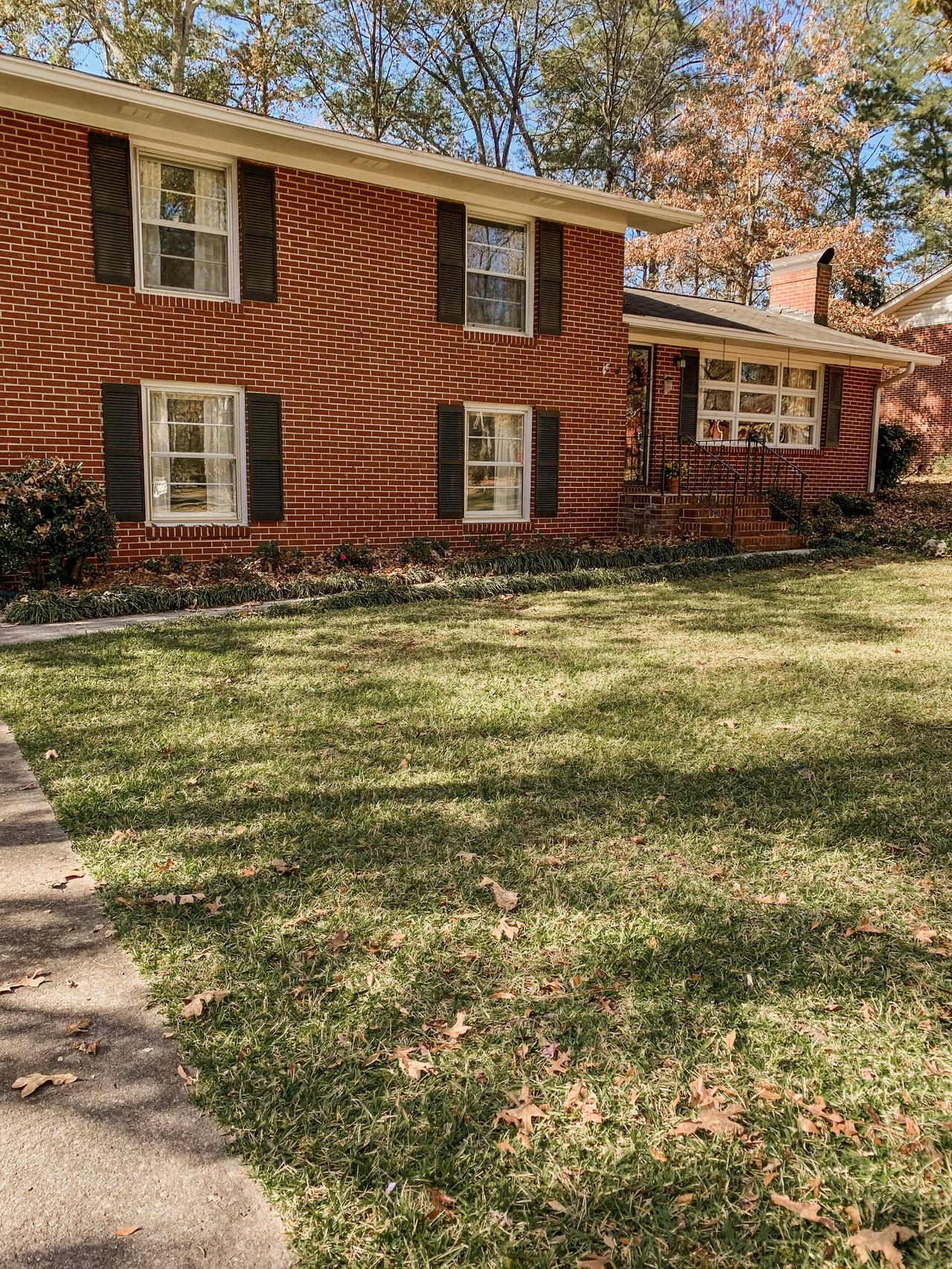
Buying a fixer upper in Atlanta can still be worth it. But it is no longer the automatic shortcut to instant equity that buyers sometimes imagine. The right project can help you get into a neighborhood you love, create a home that actually fits your life, and build value over time. The wrong one can absorb every spare dollar you have while you live with a refrigerator in the dining room for six months.
I say that with affection, not judgment. Before I was helping buyers and sellers as an Atlanta Realtor, I renovated homes as a house flipper. I know the particular thrill of walking into an outdated house and immediately seeing what it could become. I also know how quickly a charming project turns into a financial problem when the scope is bigger than the budget, the timeline assumes every contractor will arrive on schedule, or the purchase price already includes all of the home's future potential.
So, is a fixer-upper still worth it in Atlanta? Yes - when you buy the right house at the right price, have real reserves, and are honest about what you can tolerate. Here is how I would evaluate one now.
First decide what kind of fixer upper you are considering
The phrase "fixer-upper" covers a huge range of properties. One house needs paint, lighting, and a less aggressively beige kitchen. Another needs a new roof, rewiring, structural work, and a complete reconfiguration. Those are not variations of the same purchase. They are different financial commitments.
I generally sort renovation properties into three buckets:
• Cosmetic fixer: dated finishes, worn floors, old appliances, tired paint, unattractive lighting, and landscaping. The house is functional, but it is not showing at its best.
• Moderate renovation: a kitchen or bath renovation, window replacement, roof or HVAC work, plumbing or electrical updates, or a layout change that does not require rebuilding the entire house.
• Major renovation: foundation or structural repairs, extensive water damage, full-system replacement, additions, major floor-plan changes, or a house that cannot comfortably be occupied while work is underway.
A cosmetic fixer can be a terrific opportunity for a patient buyer. A major renovation can also work, but it needs a completely different budget, financing plan, project team, and tolerance for disruption. Trouble starts when a major renovation is priced - emotionally or literally - like a cosmetic one.
Why Atlanta fixer uppers are tempting
Atlanta has exactly the kind of aging housing stock that makes buyers fall in love with potential: Craftsman bungalows, brick cottages, Victorians, mid-century ranches, and older homes that have been added onto in several different eras. In neighborhoods such as Kirkwood, Candler Park, Grant Park, Oakhurst, and Decatur, the unrenovated house may be the most accessible way to buy the location, yard, street, or architectural character you want.
And location really is the strongest argument for taking on a project. Cabinets can change. Paint can change. Even a choppy layout may be fixable. Your commute, lot, street, neighborhood rhythm, and proximity to the places you use every week are much harder to change.
A fixer can also give you something a newly renovated listing cannot: control. Instead of paying a premium for someone else's gray flooring and trendy tile, you can make the choices yourself. That has real value if you plan to stay long enough to enjoy the finished house.
The math has to work before the mood board does
This is the least glamorous and most important part. Do not compare the fixer-upper's purchase price with the price of a renovated home and call the difference your renovation budget. That gap also has to cover surprises, design and permitting costs, temporary housing or storage, financing costs, and the inconvenience of living through the work.
Start with this basic framework:
• Purchase price
• Known repairs and renovations
• A meaningful contingency for what you do not know yet
• Permits, design, engineering, and professional fees
• Carrying costs, storage, or temporary housing if the home is not comfortably livable
• The value of your time and the reality of project fatigue
Then compare that all-in number with nearby, genuinely comparable renovated sales - not the prettiest active listing and not a fantasy price from three streets away. The finished value should be supported by the immediate micro-market, the lot, square footage, floor plan, parking, and quality of renovation.
My house-flipping background taught me to separate two very different questions: Can this house be made beautiful? And can this house be made beautiful at a number that still makes sense? The answer to the first question is almost always yes. The second is where discipline matters.
Atlanta specific issues that can change the budget
Older Atlanta homes can be wonderful, but they often come with layers. A renovated kitchen does not tell you what is happening in the crawlspace, behind the electrical panel, under an old addition, or between the house and the street.
Depending on the property, I may recommend that buyers consider more than a standard general inspection. That could include a sewer scope, termite inspection, structural evaluation, roof assessment, HVAC review, mold or moisture testing, or quotes from licensed trades during due diligence. Not every house needs every specialist. The point is to investigate the risks suggested by that particular property instead of treating the inspection as a pass-fail exercise.
Some recurring Atlanta considerations include:
• Water management. Our heavy rain, sloped lots, crawlspaces, and older drainage systems can turn grading or moisture issues into expensive repairs.
• Sewer lines. Mature trees and older service lines are a combination worth investigating when the condition or history is unclear.
• Termites and wood damage. Evidence of treatment is not automatically alarming, but active problems and unrepaired damage need to be understood.
• Old additions and enclosed porches. Atlanta homes are full of creative alterations. Confirm that the work is structurally sound and investigate permit history when it matters to the scope and value.
• Older electrical, plumbing, and HVAC systems. A pretty renovation that leaves major systems untouched may still carry a substantial near-term expense.
• Historic-district rules. If the property has a local historic or landmark designation, certain exterior work may require a Certificate of Appropriateness based on the designation and scope.
You can research local historic designations and requirements through the City of Atlanta Historic Preservation office. Do that before assuming you can replace windows, alter a porch, or change the exterior exactly as planned.
Lead-safe renovation practices also matter in older housing. The EPA's Renovation Repair and Painting guidance explains the rules for work that disturbs painted surfaces in pre-1978 homes. Georgia operates its own authorized program, and buyers should use properly qualified professionals for applicable work.
When buying a fixer upper in Atlanta makes sense
The strongest fixer-upper buyer is usually not the person who simply loves before-and-after photos. It is the person whose finances and lifestyle can absorb an imperfect process.
A fixer may be a good fit if:
• You are buying primarily for location and plan to stay several years.
• You have cash reserves left after the down payment and closing costs.
• The house is safely livable, or you have a realistic plan for living elsewhere.
• You can phase optional projects instead of completing everything immediately.
• You are comfortable making decisions, managing uncertainty, and waiting for the finished result.
• The purchase price reflects the home's present condition - not just what it might become someday.
A fixer is less appealing when the project would use every dollar of your reserves, your monthly budget is already tight, you need a predictable move-in date, or the work must be completed immediately for the house to function. It can also be a poor fit when the neighborhood does not support the all-in investment or when you are paying nearly renovated value for the privilege of doing the renovation yourself.
What I would do differently as a house flipper
Experience makes you less impressed by a dramatic reveal and more interested in the boring questions. If I were taking on another major renovation, I would spend more time validating the plan before closing and less time mentally choosing tile.
Specifically, I would:
• Interview more than one contractor and compare the exact scope behind each estimate.
• Budget more for surprises, especially in an older home where systems and additions have accumulated over decades.
• Ask what is excluded from every quote. Demolition, debris removal, design, permits, appliances, finish materials, and repair of newly exposed damage can live outside the first number you hear.
• Prioritize water, structure, roof, electrical, plumbing, and HVAC before cosmetic upgrades.
• Buy for the location, lot, and fundamental floor plan - not the fantasy that every awkward house can be reconfigured cheaply.
• Protect the contingency. It is not the lighting-fixture fund. It exists because walls and crawlspaces contain information you do not have yet.
I would also avoid over-improving simply because I personally love a finish. The best renovation choices sit at the intersection of your taste, the home's architecture, your expected length of ownership, and what the local market will recognize as value.
How to approach the purchase without getting overwhelmed
You do not need a contractor's license to buy a fixer-upper. You do need a clear process and a team that will tell you the truth.
1 Set the all in ceiling before touring
Decide what you can comfortably spend on the purchase and the first phase of work, while preserving reserves. That number should guide the search more than the maximum amount a lender will approve.
2 Separate immediate repairs from later improvements
A failing roof and unsafe electrical work belong in a different category from a dated bathroom. Build the plan in phases: safety and water first, function next, beauty after that.
3 Use due diligence to price risk
In Georgia, the due-diligence period and other contract terms are negotiated. Use that time deliberately. Complete inspections quickly, bring in specialists when the findings warrant it, gather real estimates when possible, and decide whether the new information changes the value or your willingness to proceed.
4 Confirm the financing plan early
Many buyers assume they can simply add renovation costs to a standard mortgage. Usually, the purchase financing and renovation funds need to be planned separately unless you are using a specific renovation-loan product. Talk with a knowledgeable lender before making an offer so you understand required reserves, appraisal rules, contractor requirements, draw schedules, and which repairs must be completed before closing.
5 Keep the finished value grounded
A renovation does not automatically return every dollar you spend. Some improvements create market value; some create personal enjoyment; some do both. Be clear about which kind of return you expect.
So is an Atlanta fixer upper still worth it
Yes - but the opportunity is more specific than "buy the ugly house and make money." The best fixer-upper is often a fundamentally sound home in a location you would be happy to own for years, purchased at a price that leaves enough room for the real work. It does not need to be the cheapest house. It needs to be the house where the numbers, scope, and your life can coexist.
Buying a fixer upper in Atlanta can be a smart path into a neighborhood or type of home that might otherwise feel out of reach. It can also become an expensive lesson if you underestimate the systems, assume a renovation will be fast, or spend your entire cushion getting to the closing table.
My job is not to talk every buyer into a project. It is to help you see the opportunity and the risk clearly enough to make a good decision. Sometimes that means pursuing the house everyone else overlooks. Sometimes it means walking away before the charming original windows convince you to ignore the foundation.
Thinking about an Atlanta home that needs work?
I can help you evaluate the location, comparable sales, inspection strategy, and likely resale considerations before you commit. Reach out to schedule a buyer consultation, and we can talk through whether a fixer-upper fits your budget, timeline, and appetite for a little dust. Get in touch here.
